
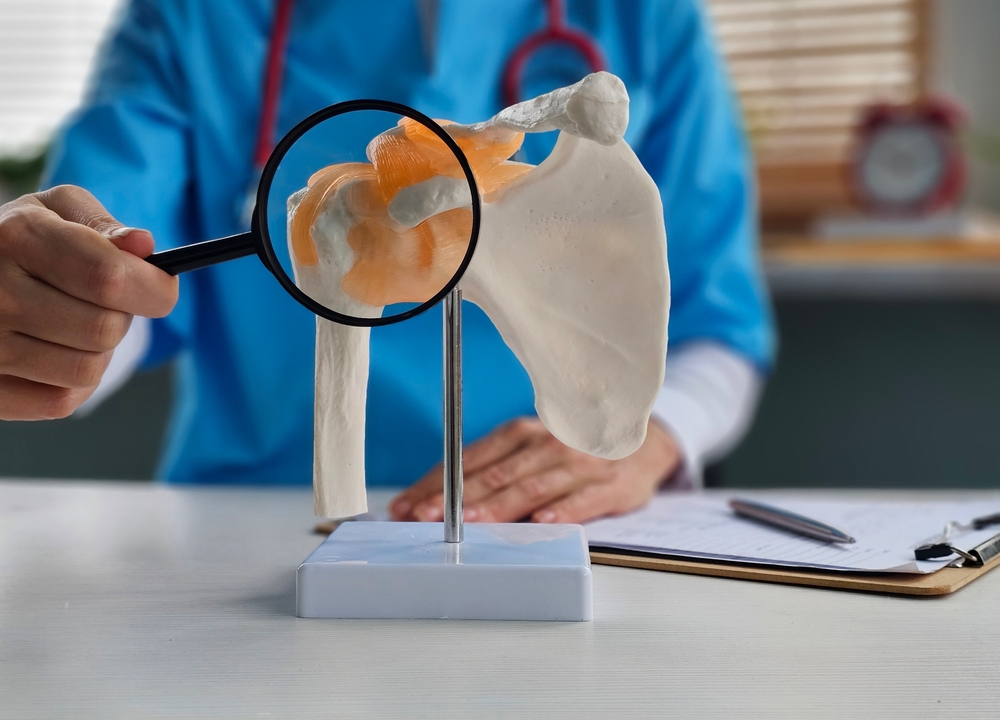
Chronic shoulder pain can make even the simplest daily tasks—like reaching into a cabinet or getting dressed—feel frustrating and exhausting. When conservative treatments such as physical therapy, injections, or medications no longer provide relief, shoulder replacement surgery may be the next step toward lasting pain relief and restored function.
Dr. Samuel Koo specializes in advanced shoulder replacement procedures for patients in the Seattle area. Here’s what you should know if you’re considering surgery.
What Is Shoulder Replacement Surgery?
Shoulder replacement surgery, also known as total shoulder arthroplasty, is a procedure designed to relieve severe shoulder pain and improve joint function. It involves removing damaged portions of the shoulder joint and replacing them with durable, medical-grade components.
The primary goal is pain relief. However, most patients also experience significant improvements in:
- Range of motion
- Strength
- Joint stability
- Overall quality of life
For many individuals, shoulder replacement allows a return to activities that were once limited by chronic pain and stiffness.
Conditions That May Lead to Shoulder Replacement
Shoulder replacement is typically recommended for patients experiencing end-stage joint damage, including:
- Osteoarthritis
- Rheumatoid arthritis
- Post-traumatic arthritis
- Severe degenerative joint disease
- Complex fractures
- Irreparable rotator cuff damage
When cartilage wears away, bone-on-bone friction develops—leading to persistent pain, inflammation, and limited mobility. If nonsurgical treatments are no longer effective, surgery may provide long-term relief.
Types of Shoulder Replacement
Total Shoulder Replacement
This traditional approach replaces both the ball and socket portions of the joint. It is commonly recommended for patients with arthritis who still have intact rotator cuff muscles.
Reverse Total Shoulder Replacement
In cases where shoulder arthritis is combined with significant rotator cuff damage, a reverse total shoulder replacement may be the best option. This procedure changes the mechanics of the joint, allowing other muscles to compensate for the damaged rotator cuff.
Your surgeon will determine the most appropriate option based on your anatomy, condition, and activity goals.
What to Expect From the Procedure
Shoulder replacement surgery is considered a highly successful procedure, especially for individuals suffering from severe pain and stiffness. Most patients can expect:
- Significant pain reduction
- Gradual improvement in movement
- Structured physical therapy after surgery
- Progressive return to daily activities
Recovery involves a carefully guided rehabilitation plan to restore strength and mobility. A strong partnership between your surgeon and physical therapy team plays a key role in achieving optimal outcomes.
When to Consider a Consultation
You may benefit from a shoulder replacement evaluation if you:
- Experience persistent shoulder pain that limits daily activities
- Have difficulty sleeping due to shoulder discomfort
- Notice increasing stiffness or reduced mobility
- Have not responded to conservative treatment options
Early evaluation can help determine whether surgery is appropriate—or if other treatments may still be effective.
Take the Next Step Toward Pain Relief
Living with chronic shoulder pain is not something you have to accept. With modern surgical techniques and a comprehensive care team, shoulder replacement can offer meaningful relief and restored function.
If you’re ready to explore your options, request an appointment with experienced shoulder surgeon Samuel S. Koo, MD, MPH today.